Blog - October 21st, 2024
Creating a Supportive Work Environment for Those with ADHD
ADHD stands for attention deficit/hyperactivity disorder. In short, it is a cognitive disorder that affects the ways in which a person thinks. As a result, this interrupts executive functions, so things like planning, prioritising, sense of time, sustained attention, goal setting, emotional regulation - basically the set of processes that people use to plan, solve problems and manage their emotions.
How does ADHD manifest itself in the workplace?
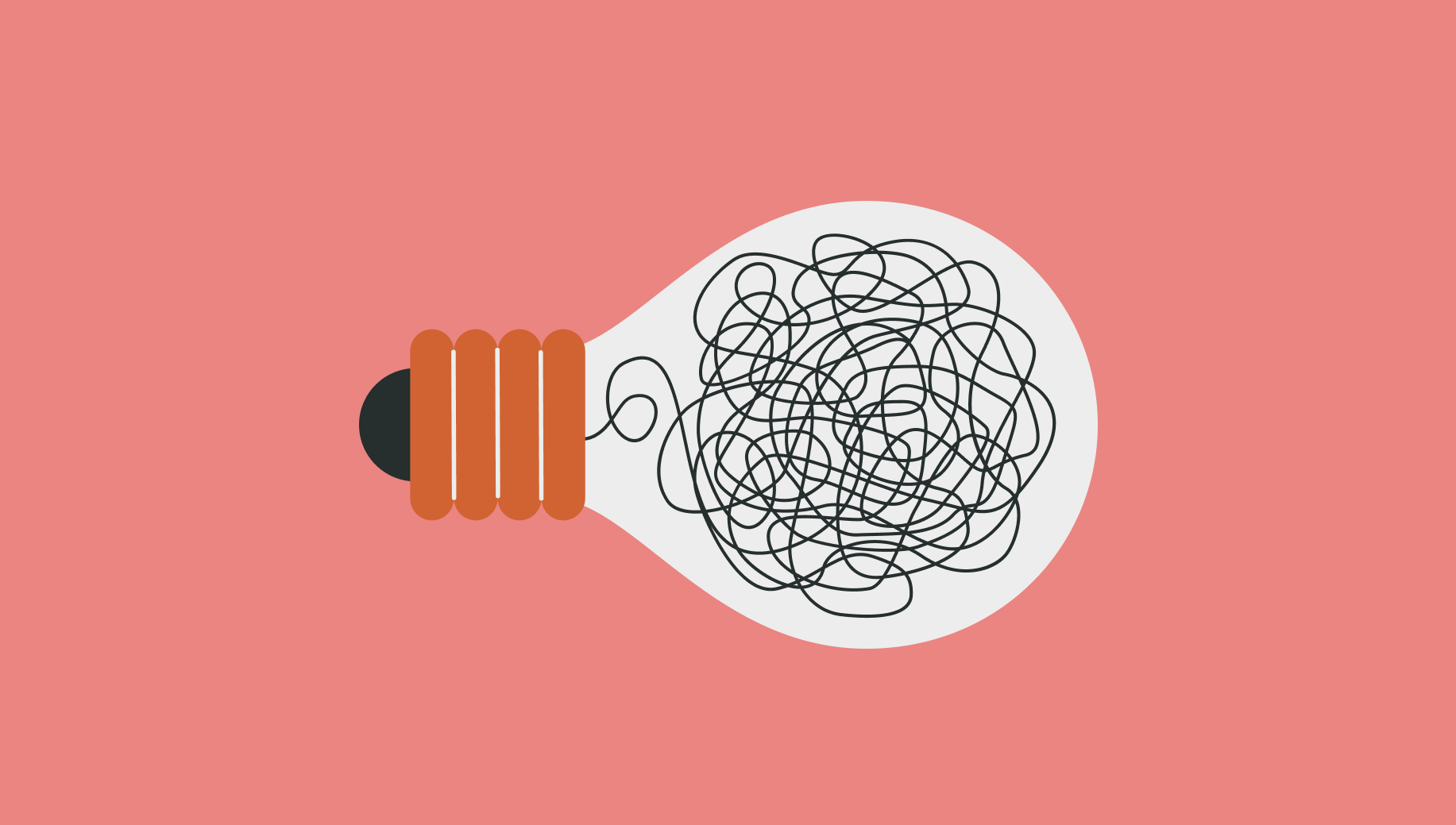
A good example of how ADHD manifests is (ironically) me writing this blog right now. I got up several times to pet my cat or to make tea, got lost in researching other relevant topics, checked the NHS for ADHD diagnosis process out of curiosity and searched for a relevant email I had, only to end up reading a bunch of other emails that were unrelated to my task. Then, out of nowhere, I was able to hyperfocus on getting this written, losing track of where I am and how long it’s been.
It may look like this ‘chaotic’ way of working is something undesirable but the natural curiosity, out-of-the-box thinking and high energy is where the power of ADHD lies. ADHD can lead to exceptional creativity, hyperfocus and problem-solving skills, qualities that make people with this disorder uniquely capable of thriving in fast-paced, innovative environments.
Every workplace could benefit from a few ADHDers, given that it knows how to help and accommodate them. Here are some things that can help turn this disorder into a superpower.

Workplace Culture and Flexibility
Workplace culture plays a crucial role in how employees with ADHD experience their jobs. A supportive culture is one that values diversity, promotes understanding, and encourages open communication.
Employees with ADHD often benefit from flexible work environments where they can adjust their work methods to fit their needs. This might include flexible work hours, the option to choose quiet or collaborative workspaces, and allowing individuals to structure their day in a way that suits their productivity patterns.
Creating a culture of understanding starts with educating leadership and teams about ADHD and the variety of ways it affects people. By reducing stigma and fostering empathy, companies can empower employees with ADHD to feel comfortable asking for accommodations or modifications without fear of judgement. This cultural shift can enhance their confidence, well-being, and overall productivity.
Productivity Strategies
Lists lists lists. Because the ADHD brain moves so quickly, it easily gets distracted by new ideas and new things to do. Keeping a list is a good way to slow down and remember what you’re working on and what comes next. Oftentimes it can be hard to prioritise, so having a list makes it more manageable to get the work done. It can also keep a person from getting distracted with something else, as there is a clear instruction on what to get on with next, which can help with maintaining focus.
Start with an easy task first to create momentum for the bigger ones. People with ADHD generally have lower levels of dopamine in the brain, and their reward system works differently from a neurotypical one. By starting out with something that, ideally, can be completed fairly quickly and ticked off, it can trigger the reward system and cause a chain reaction, making it easier to get started on the next thing.
Break larger projects into smaller, more manageable tasks. This alleviates overwhelm and keeps employees on track. This works even better if it’s paired with regular check-ins or touchpoints with managers. Regular, smaller deadlines not only make the deliverables feel less overwhelming, but they also provide an urgency and regular doses of fulfilment for completing something.
Body doubling. While there is no research to prove its effectiveness, body doubling is helping many people get things done. This is where a friend or co-worker simply exists in the same space as you. They could be working on their own thing, or even just relaxing. The body double serves as a physical anchor for the distracted individual who feels more focused by the presence of another person in their space.
Introducing novelty where possible. Research shows that the ADHD brain functions on a different wavelength, engaging a distinct "ADHD nervous system." This isn't simply a personality trait - it's grounded in dopamine-driven neurobiology. According to the interest-based nervous systems theory, a person with ADHD is fully engaged when something is personally interesting, challenging, or urgent; otherwise, procrastination will likely take over, no matter how important the task is. If you need someone to dive into uncharted territory, you know who your people are for it.
Flexible breaks. People with ADHD can become restless and fidgety if they’re sat in one place for too long. This only makes inattentiveness worse. Short reset breaks can be very helpful, given that the person is not in hyperfocus. The pomodoro time technique can be helpful for some people.
Respecting hyperfocus where possible. Hyperfocus is an intense form of mental concentration or visualisation that focuses consciousness on a subject, topic, or task. It can be very hard for people with ADHD to get back into focus once it is interrupted, so it’s best to leave them to it.
Remote Work and ADHD
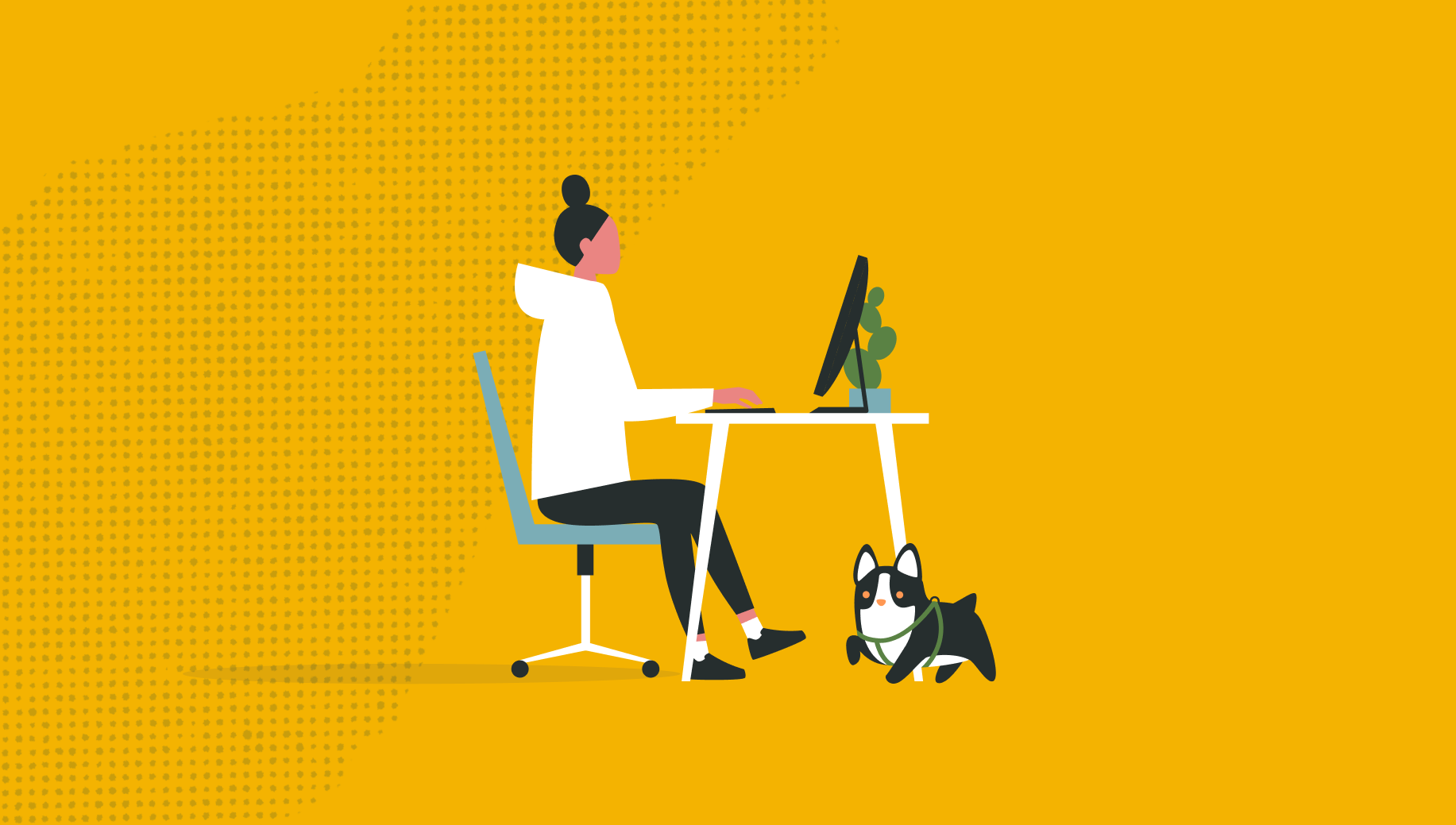
The rise of remote work has created new opportunities for employees with ADHD. Many people with ADHD find remote work beneficial, as it allows them to create an environment that minimises distractions and suits their personal work style. Whether that means adjusting lighting, listening to music to maintain focus, or taking frequent short breaks, the flexibility of remote work can lead to better productivity and job satisfaction.
However, remote work can also pose challenges, such as isolation or difficulty maintaining routines. Employers can address these challenges by offering guidance on how to set up a productive remote workspace, facilitating regular virtual check-ins, and encouraging the use of productivity tools tailored to remote work environments.
Some practical tips for working remotely with ADHD:
Have a dedicated work room and keep your workspace simple and organised.
Have someone else in the room with you.
Get dressed as if you were in the office. Comfy clothes can make you sluggish.
Avoid home chores as much as possible during work time.
Only eat at your dining table or kitchen, and avoid having meals at your desk.
Start and finish work on time, and avoid developing a habit of lateness, even if no one seems to mind.
Maintain a to-do list and write everything down. Tasks you don’t complete can be tackled the next day.
Ensure you have a comfortable chair and wear comfy clothes.
Incorporate desk toys or fidget items to keep your hands busy.
Set up alarms for any meetings you have on the day so you don’t lose track of time and miss them.
Some tasks might feel boring or uncomfortable, but remember—someone is paying you to get them done! Motivate yourself by completing those tough tasks, then take a break afterward.
Don’t start a task unless you’re ready to finish it.
Emails can be overwhelming, so handle them one at a time!
Focus on tasks that are planned. If it’s not part of your schedule, don’t volunteer for it!
Mental Health Support and Burnout
ADHD is often accompanied by other mental health challenges, such as anxiety, depression, or emotional dysregulation. These issues can exacerbate workplace struggles, especially if employees feel unsupported.
Burnout is a significant risk for employees with ADHD, as they may work harder to compensate for their challenges or struggle with managing stress. Regular mental health check-ins, promoting work-life balance, and encouraging the use of personal time off can all help prevent burnout.
What does ADHD burnout feel like for adults?
Fatigue: Ongoing tiredness that doesn't improve, even after rest
Lack of motivation: Decreased drive to begin or finish tasks
Irritability: Heightened frustration or irritability in everyday situations
Emotional exhaustion: Feeling emotionally drained or detached, often paired with anxiety
Cynicism: Increasing feelings of disillusionment or negativity toward responsibilities
Difficulty concentrating: Trouble staying focused on tasks
Reduced performance: A noticeable decline in productivity or success at work or school
Headaches or muscle pain: Frequent occurrences of headaches or muscle aches
Sleep disturbances: Issues falling asleep or experiencing insomnia
Emotional withdrawal: Difficulty connecting with others or feeling unable to smile
Negativity or pessimism: A constant inability to find positivity, especially in areas contributing to burnout
A few ways employers can prioritise mental health are by offering resources like Employee Assistance Programs (EAPs), access to counselling services, and creating a culture where discussing mental health is normalised.
Providing training for managers on recognizing the signs of burnout and ADHD-related stress is also key to building a healthy, supportive environment. Oftentimes it’s more apparent to other people than ourselves that we are burnt out, so a watchful eye could help spot the development of burnout earlier and prevent it from getting too far.
Let’s face it, we all have some sort of a funny brain. There is not a single set of two humans who think and feel alike. Fostering a diverse and inclusive work environment is not just for those who are diagnosed with such and such, it’s for everyone and anyone. The more we help each other see our ‘weaknesses’ as strengths, the more we’ll grow, collectively. Not just in numbers and percentages, but in confidence, happiness and self worth. We all deserve the right environment to thrive.
‘Everybody is a genius. But if you judge a fish by its ability to climb a tree, it will live its whole life believing that it is stupid.’ - unknown
Let’s give fishes their ponds back!