Blog - July 15th, 2024
Top ways shoppers are leveraging social media
So what is social commerce? Social media has transformed from a platform for social interaction to a vital tool for commerce. Shoppers increasingly turn to social media to inform and enhance their shopping experiences. Here are the top ways they are leveraging these platforms.
 How are shoppers using social media?
1. Product Discovery
Social media is a significant source of inspiration for shoppers. Platforms like Instagram, Pinterest, and TikTok are visual-centric, making them perfect for discovering new products. Brands and influencers post visually appealing content that showcases products in real-world settings, making it easier for potential buyers to envision how they might use these items.
2. Influencer Recommendations
Influencers have become trusted voices in the shopping landscape. Shoppers often follow influencers whose lifestyles and tastes align with their own. These influencers provide recommendations, reviews, and promotions that help shoppers make informed decisions. An endorsement from a trusted influencer can significantly impact a shopper’s decision to purchase a product.
3. Customer Reviews and Testimonials
Before making a purchase, many shoppers seek out reviews and testimonials. Social media platforms provide a space where customers can share their experiences with products and services. Facebook, Twitter, and Instagram offer reviews and comments that give potential buyers insight into product quality and customer satisfaction.
4. Exclusive Offers and Promotions
Brands frequently use social media to share exclusive deals, discounts, and promotions. Followers of a brand’s social media page are often the first to know about sales events, special offers, and limited-time promotions. This sense of exclusivity encourages shoppers to follow their favorite brands and engage with their content regularly.
5. Engagement with Brands
Social media provides a direct line of communication between shoppers and brands. Customers can ask questions, provide feedback, and get support through platforms like Twitter, Facebook, and Instagram. This direct interaction builds trust and loyalty, as shoppers appreciate timely and personalized responses from brands.
 6. User-Generated Content
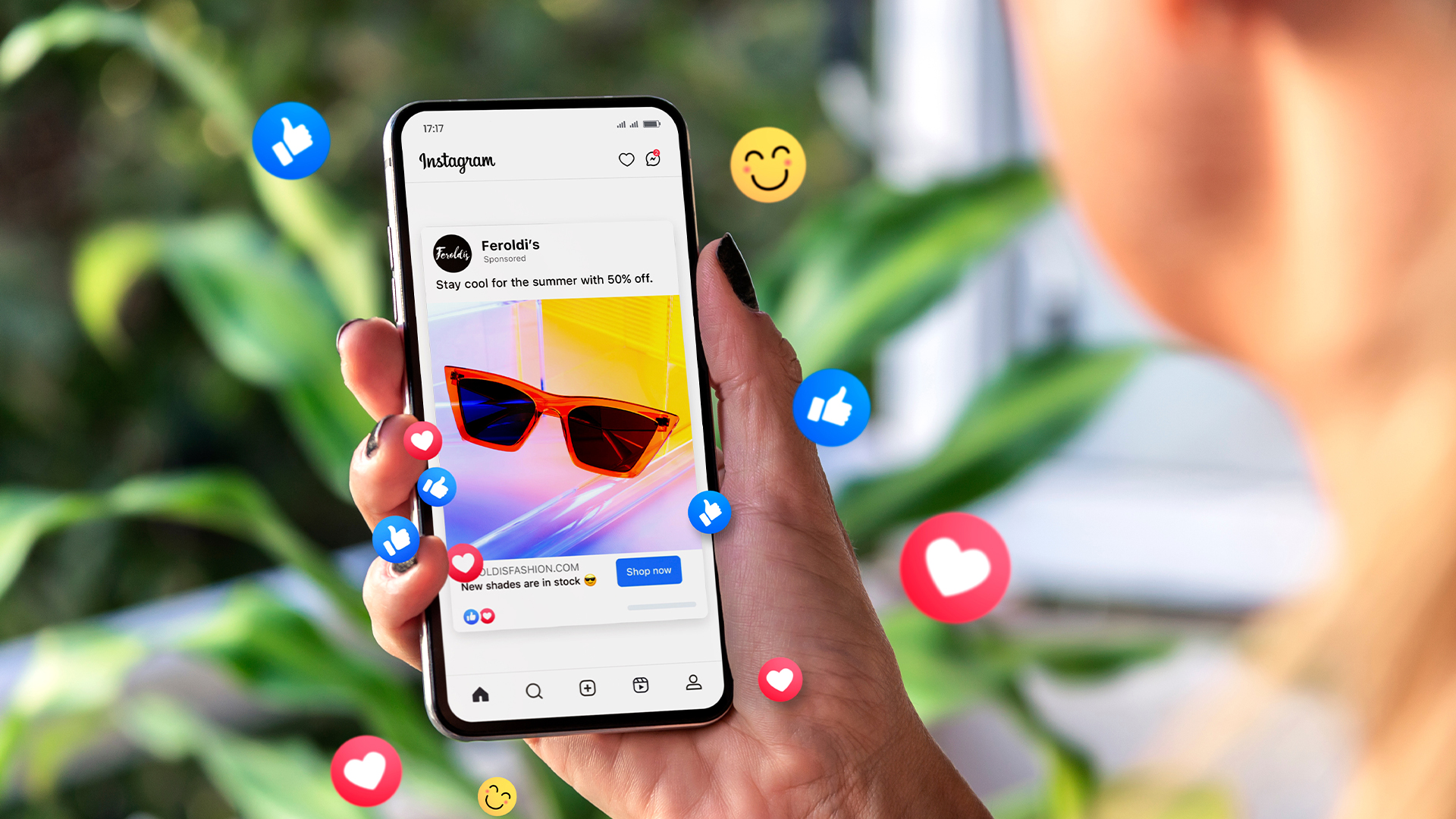
Shoppers enjoy seeing how real people use products. User-generated content (UGC) such as photos, videos, and reviews posted by other customers on social media provides authentic insights into how products perform in everyday life. Brands often encourage UGC by running contests or featuring customer posts, fostering a community around their products.
7. Shopping Integration Features
Many social media platforms have integrated shopping features that allow users to purchase products directly through the app. Instagram Shopping, Facebook Shops, and Pinterest’s Buyable Pins make it easy for shoppers to move from inspiration to purchase without leaving the platform. This seamless shopping experience is highly convenient for users.
8. Trend Tracking
Shoppers use social media to stay on top of the latest trends. By following fashion influencers, tech reviewers, and lifestyle bloggers, they keep abreast of what’s hot and what’s not. Trending hashtags and viral challenges also help shoppers discover new products that are gaining popularity.
9. Community and Peer Recommendations
Social media platforms are communities where users share their interests and opinions. Shoppers often seek recommendations from peers within these communities, such as Facebook groups, Reddit threads, or niche forums. These peer-to-peer recommendations are highly trusted as they come from real users with no commercial bias.
10. Interactive and Engaging Content
Shoppers engage with interactive content like polls, quizzes, and live videos that brands use to promote their products. This interactive content not only entertains but also educates shoppers about product features and benefits in a more engaging way than traditional advertising.
Social media has become an integral part of the shopping experience, offering a wealth of information, recommendations, and direct purchasing options. By leveraging these platforms, shoppers can make more informed decisions, find better deals, and enjoy a more interactive and personalized shopping experience. Brands that understand and harness the power of social media can build stronger connections with their customers and drive higher engagement.
 #TikTokMadeMeBuyIt - What is shopper behavior?
One of the most compelling shifts in the social shopping landscape is the influence of Generation Z, particularly through platforms like TikTok. This generation, born roughly between 1997 and 2012, is reshaping how products are discovered and purchased online, and the trend #TikTokMadeMeBuyIt exemplifies this shift.
Understanding Gen Z’s Influence
Gen Z is the first generation to grow up with the internet and social media as integral parts of their daily lives. They are digital natives, adept at navigating multiple platforms and filtering through vast amounts of information quickly. This savvy extends to their shopping habits, where social media plays a central role in discovering and deciding on purchases.
The Power of #TikTokMadeMeBuyIt
The hashtag #TikTokMadeMeBuyIt has become a phenomenon, encapsulating the impact TikTok has on consumer behavior. Users share videos of products they bought after seeing them on TikTok, ranging from beauty and fashion items to gadgets and home decor. These videos often go viral, propelling certain products into the limelight almost overnight.
Why TikTok Appeals to Gen Z Shoppers
Short, Engaging Content: TikTok’s format of short, dynamic videos appeals to Gen Z’s preference for quick, engaging content. The platform’s algorithm also tailors content to individual interests, making product discovery feel personal and relevant.
Authentic Recommendations: Unlike traditional advertising, TikTok videos often feature real users sharing genuine reactions and reviews. This authenticity resonates with Gen Z, who value transparency and relatability in brand interactions.
Viral Potential: The platform’s design encourages virality. A single video can reach millions of users, driving massive traffic and sales spikes for featured products. This viral potential creates a sense of urgency and excitement around trending items.
The trend #TikTokMadeMeBuyIt highlights the profound impact TikTok has on the shopping habits of Gen Z. As this generation continues to gain purchasing power, understanding and leveraging TikTok’s unique environment will be key for brands looking to capture their attention. The battle for Gen Z social shoppers is intensifying, and those who can navigate this dynamic platform effectively stand to gain a significant competitive advantage.
 Shopping on Facebook Marketplace in 2024
Facebook Marketplace has evolved significantly since its inception, becoming a powerful tool for shoppers in 2024. It offers a convenient, local-focused platform where users can buy and sell a wide range of products, from everyday items to unique finds. Here’s how shoppers are leveraging Facebook Marketplace this year.
Enhanced User Experience
Facebook Marketplace in 2024 boasts a more streamlined and user-friendly interface. Improved search algorithms and categorization make it easier for users to find exactly what they’re looking for. Advanced filters and AI-powered recommendations personalize the shopping experience, ensuring that users see listings relevant to their interests and needs.
Integration with Facebook Shops
The integration of Facebook Marketplace with Facebook Shops has enhanced the shopping experience by providing a seamless transition between browsing local listings and exploring brand-specific products. This integration allows small businesses and individual sellers to reach a broader audience, while shoppers enjoy a more diverse selection of items in one place.