A modern business relies on a complex tech stack, but most systems are disconnected or poorly integrated. This limits their full potential and forces teams to endure manual processes and countless repetitive tasks.
Enter Patchworks — the ultimate Integration Platform as a Service (iPaaS). It seamlessly handles everything from one-to-one connections to intricate networks of many. You can connect to your tech stack with any application in our marketplace.
With Patchworks, you become the architect of your own connectors using our Connector Builder. You can design automations from simple to complex using components like filters, caching, and scripts that push boundaries — all while handling large-scale data efficiently and unlocking new business potential. It’s about streamlining your data flow to supercharge operational efficiency, with lightning-fast setup, effortless tech integration, and instant notifications to resolve issues quickly.
Say goodbye to countless hours spent on manual, tedious tasks, and hello to peace of mind — so your team can focus on what truly matters. Whether you work with our approved partner network or go DIY with Patchworks Academy, you’ll join hundreds of global brands growing and scaling at pace.
Now everyone, a peek behind the wizard’s curtain.
We’ve all seen the UX and how it works on the surface — but what’s really going on behind the scenes? That’s what we’re going to talk about today, and that’s where Patchworks comes in.
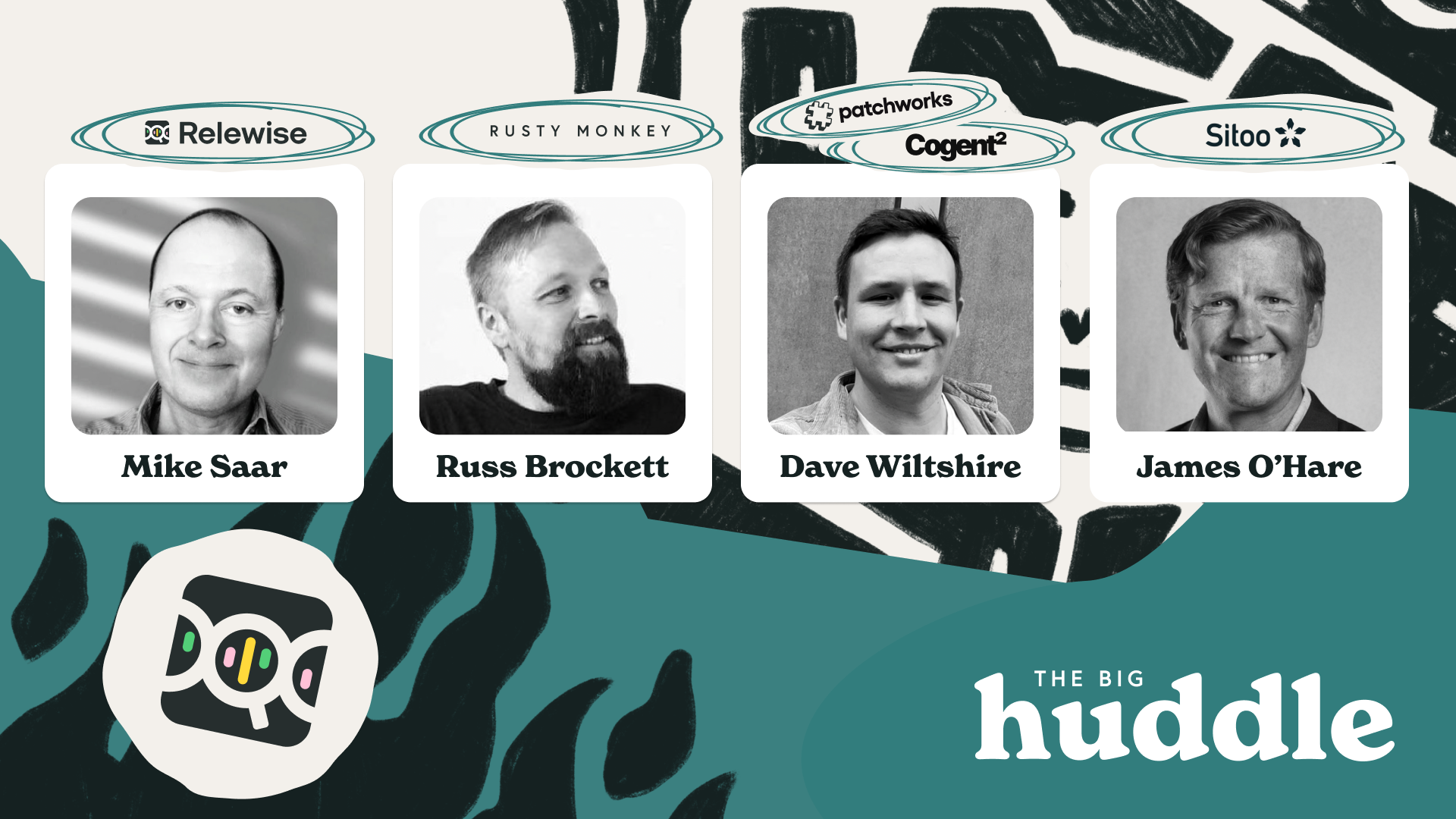
We’ve got Dave and Dave here, which should keep things interesting. I’ll start by asking: Dave, what is Patchworks?
Dave: Hopefully everyone’s seen the video. We’re an integration platform — and I’ll let Dave Hazel, our founder, touch on where we came from.
We’ve been around now for over 10 years — probably 14 or 15. In that time, we’ve transitioned from being an agency building integrations to becoming a full platform. We now license the platform itself. Hopefully from the video, you got a glimpse of how quickly and efficiently you can build integrations.
We don’t want to oversimplify it — integrations aren’t always easy. It’s not just click-and-drag. When people come to us, it’s usually because they want to add complexity — and that’s exactly what we can help with.
It’s like going to a bowling alley: you throw the ball, it might go into the gutter, maybe even into the next lane… and somehow it still hits the pins. That’s what we are — we’re the plumbing behind it. We connect all the stuff up.
Russell: Dave, can you give us a bit of background on how Patchworks started? What problem were you trying to solve?
Dave: I started an agency in 2006. I was great at SEO, and that got me to the top of Google for “web design” and “Magento eCommerce.” But I was also selling websites for £5,000 — and I didn’t know how to charge properly. That brought pain, but it also introduced me to some fantastic merchants.
We ended up integrating Microsoft Dynamics, Sage 200, and other systems. I built a content strategy focused on integration, targeting Microsoft partners internationally. That got the phone ringing globally.
Eventually, I realised integration was the key — not just as a service, but as a way to target the right merchants. If you’re an agency specialising in a platform like BigCommerce, you should know how to handle ERP integrations because your clients are doing £5 million+ and expect that.
So we started solving increasingly complex integration challenges. Over the past five years, we’ve taken on investment, and Patchworks has become a proper platform — enabling other SaaS vendors and agencies to embed or monetise integration.
But I still think the biggest opportunity lies in using integration as a strategy — to reach and win the right customers.
Russell: So what do people love most about the platform?
Dave Wileman: Visibility is huge. A lot of companies come to us after struggling with black-box connectors or basic out-of-the-box apps. Patchworks gives them visibility into what’s happening — and when things go wrong, they can triage quickly. No more endless vendor calls to figure out where an order got stuck.
Speed to market is the other big one. Agencies sell their solutions, but then clients often wait weeks or months for integration. Patchworks eliminates that delay.
Russell: So people usually call you when something’s gone wrong?
Dave: Yep — we often get called in too late! A tech provider has over-promised, said “we integrate with Shopify,” but didn’t realise the custom ERP setup the client has. That’s when we come in — quickly — and fix it.
Russell: So you’re the A-Team of integration?
Dave: We’ll take that!
Russell: For me, it’s also about making this visible and accessible. I’ve written connectors before — they were complex and hard to maintain. Now with Patchworks, it’s visual. You can see how everything connects. You don’t need to rewrite everything from scratch when you change one system. That’s a big deal.
Dave: Exactly. If you’re switching from Shopify to BigCommerce, you can unplug Shopify, plug in BigCommerce, map a few changes, and you’re good to go. No need to rebuild the rest.
Russell: That’s what really led to Patchworks being created, right?
Dave: Yeah — we had 50 point-to-point integrations, and one guy who knew how they worked. I realised if he went under a bus, we were in trouble — and so were all our customers. So we built something better.
Russell: And now it’s fully scalable, right?
Dave: Yes. In the old days, if a client launched a sale without telling us, everything could crash. Now, with auto-scaling, one client went live three weeks early for Black Friday and did 100,000 orders — and we didn’t even notice until Monday.
That’s the power of cloud-native, scalable SaaS. Legacy connectors can’t keep up like that.
Russell: Let’s talk about AI. Where does that fit in?
Dave Wileman: AI is on our roadmap. Some competitors have gone earlier with it — but much of what’s out there is surface-level. We’re working on a script generator powered by AI for complex scenarios, but we’re realistic: full AI-generated flows that actually work? Not there yet. Integration is complex, especially with ERP customisations. But we’re heading there.
Russell: You’ve also got a load of ready-made nodes and scripts, right?
Dave: Yes — which helps speed things up even more. You get the flexibility of building what you need, with out-of-the-box elements ready to go.
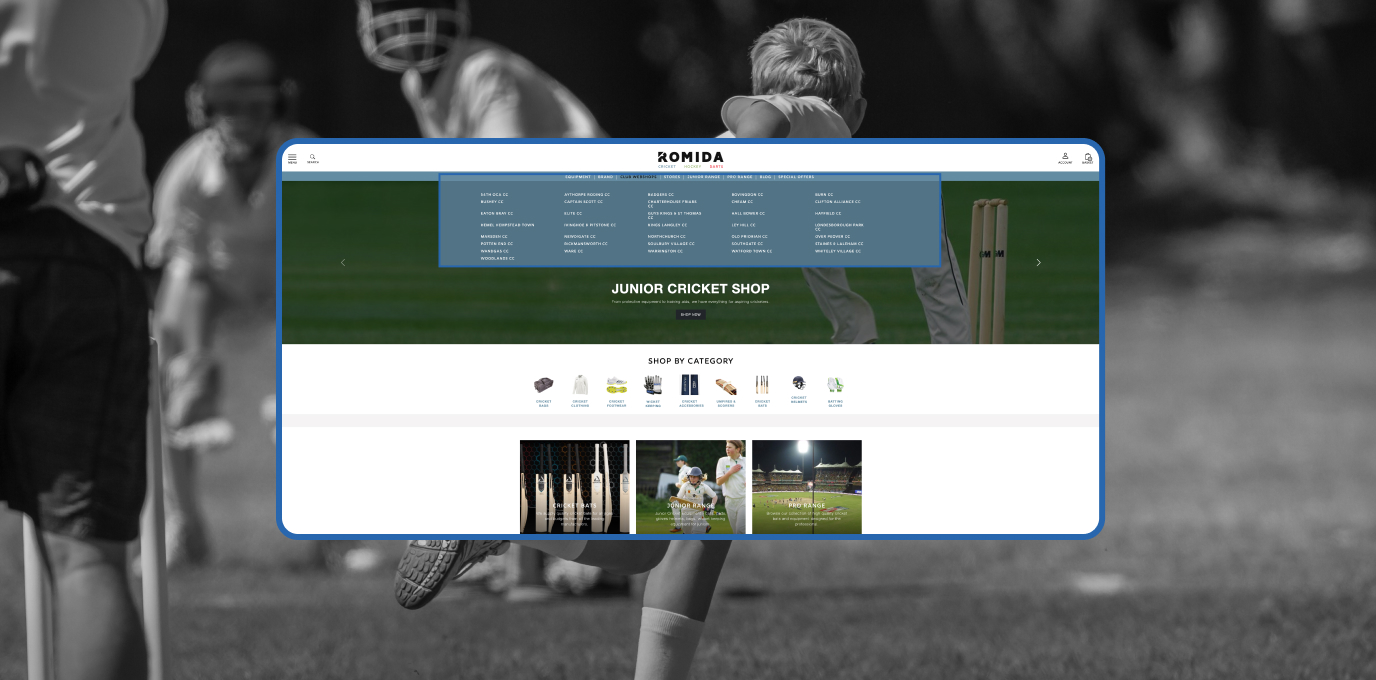
Russell: One of the most exciting things is how repeatable it becomes. Like that sports platform we work with — they can deploy a new club with integrated Shopify + NetSuite in no time.
Dave: Exactly. It’s like a business-in-a-box. Once the model’s built, you can deploy it over and over again with minor tweaks.
Russell: And the platform is evolving all the time?
Dave: Yes — we license directly with many tech providers. As their APIs evolve, Patchworks evolves too. You don’t need to rebuild. Just plug in a new endpoint, make a few changes, and you’re done.
Russell: For agencies or SaaS providers, this seems like a game-changer.
Dave: Absolutely. It’s a platform that empowers people to do it themselves. Project managers, technical staff, even retailers can manage and update their own integrations. That’s what we mean by democratising integration.
Russell: It’s easy to explain, even to non-devs.
Dave: That’s the point — you don’t need to be a hardcore developer. You just need to be moderately technical. And many of our best case studies are from customers doing it all in-house.
Russell: And if someone breaks something, they can fix it. Or hand it off to another agency if they need to.
Dave: Exactly. It’s not locked into one developer or agency. It’s yours.
Russell: You’ve even started an agency again, haven’t you?
Dave: Yes — we’re using Patchworks as the foundation. It’s a great tool for targeting high-value merchants. We’re using SEO and strategic outreach to attract the right customers — and Patchworks is the fabric underneath it all.
Russell: You can even target new verticals, like manufacturing or B2B, based on the integrations they need.
Dave: 100%. You look at which systems your ideal customer uses — and build around that.
Russell: And it’s perfect for proofs of concept. You can test new tech quickly, without a big upfront investment.
Dave: Right. It used to take us weeks just to get authentication working. Now, we can build an integration while we’re on the pitch call. That’s a huge shift in speed and credibility.
Russell: What about sustainability?
Dave: That’s coming up more and more. Integration allows you to connect green tech platforms — for example, we helped one company plant a tree for every invoice by integrating Xero with Karma. If you think creatively, integration can help align your business with your values.
Russell: So in short, Patchworks gives businesses the speed, flexibility and control to scale faster and smarter.
Dave: Exactly. Integration isn’t the blocker anymore — it’s the enabler.